West Ealing emergency carpet cleaning urgent stain removal: what to do when a spill cannot wait
A red wine knock-over, muddy footprints after a wet commute, pet accidents on a light carpet, or a coffee spill just before guests arrive-these are the moments when West Ealing emergency carpet cleaning urgent stain removal stops being a nice-to-have and becomes a very practical problem. The longer a stain sits, the more it can wick deeper into the fibres, spread at the edges, or leave behind a smell that lingers through the room. Truth be told, a quick and calm response often makes the biggest difference.
This guide explains how urgent carpet stain removal works, what you should do in the first few minutes, when to call in a professional, and which mistakes can make things worse. If you need broader care for other soft furnishings at the same time, it can also help to know where related services fit, such as professional carpet cleaning, targeted stain removal, or pet stain and odour removal.
Expert summary: In an urgent stain situation, the best results usually come from three things: act fast, use the right method for the stain type, and avoid over-wetting the carpet. Simple? Yes. Easy in the moment? Not always.
Table of Contents
- Why West Ealing emergency carpet cleaning urgent stain removal Matters
- How West Ealing emergency carpet cleaning urgent stain removal Works
- Key Benefits and Practical Advantages
- Who This Is For and When It Makes Sense
- Step-by-Step Guidance
- Expert Tips for Better Results
- Common Mistakes to Avoid
- Tools, Resources and Recommendations
- Law, Compliance, Standards, or Best Practice
- Options, Methods, or Comparison Table
- Case Study or Real-World Example
- Practical Checklist
- Conclusion
- Frequently Asked Questions
Why West Ealing emergency carpet cleaning urgent stain removal Matters
Carpets are forgiving in some ways and unforgiving in others. A fresh spill on a dense, synthetic carpet might be manageable if you move quickly. On the other hand, a protein-based stain on a wool carpet, or a coloured liquid on a pale pile, can set surprisingly fast. By the time the stain looks dry on the surface, the damage may already be travelling below it. That is why emergency carpet cleaning is really about timing, judgement, and not panicking.
In West Ealing, homes and businesses often deal with the usual mix of urban life: wet shoes, delivery traffic, family life, shared entrances, cafe spillages, pet mess, and the occasional "how did that happen?" moment. The pressure is not just visual. A stain can cause odour, leave a sticky patch that attracts more dirt, or create a permanent mark if treated with the wrong product. Let's face it, nobody wants a small accident turning into a replacement carpet conversation.
Urgent stain removal matters because it protects three things at once: the appearance of the carpet, the fibres themselves, and the overall hygiene of the space. A swift response can also reduce the need for aggressive cleaning later, which matters if you are trying to avoid flattening the pile or spreading moisture into underlay. That is especially relevant in older properties and busy rentals, where every inch of flooring gets noticed.
It also matters for confidence. If you host guests, manage a shared property, run a shop, or simply want your living room to feel normal again, a prompt fix removes that low-level stress that sits in the back of your mind. You stop staring at the stain every time you walk past it. Small relief, yes, but it counts.
How West Ealing emergency carpet cleaning urgent stain removal Works
Emergency stain treatment is not magic and it is not guesswork. Good technicians begin by identifying the stain, checking the carpet fibre, and deciding how much moisture and agitation the material can safely take. A wool loop pile, for example, needs a much gentler approach than a hard-wearing synthetic office carpet. Different stains behave differently too. A sauce spill, pet accident, and ink mark are not treated the same way. They should not be.
The process usually starts with assessment. Is the stain fresh or set? Is it surface-level or has it soaked into the backing? Is there a risk of colour bleed? Has anything already been applied by the homeowner? Those first questions shape the entire job. In a proper urgent visit, the aim is to contain the stain first, then lift it in stages rather than scrubbing it into the carpet like a stain-shaped ghost.
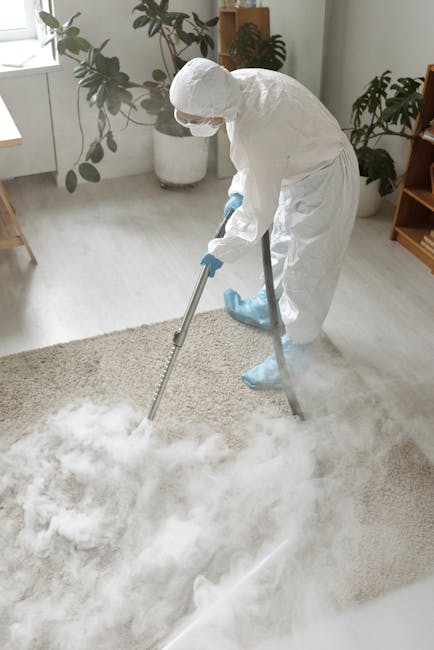
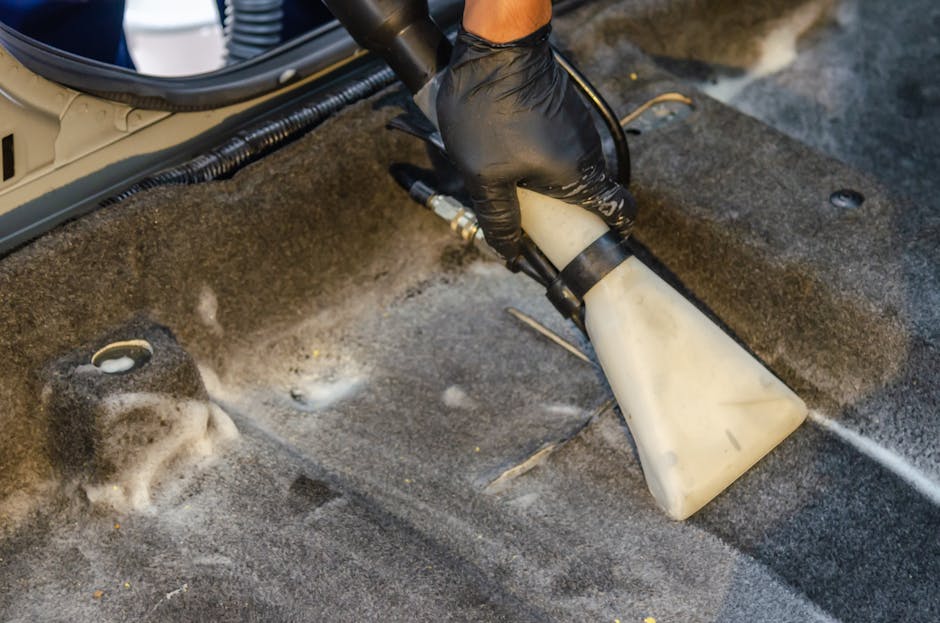
Professionals may use controlled blotting, safe pre-treatment, specialist stain removers, hot water extraction, low-moisture methods, or targeted steam treatment where suitable. If the carpet is delicate, the approach may be lighter and slower. If there is odour, the process may also involve neutralising residue rather than simply making the area look cleaner. Sometimes the visible mark is only half the issue.
There is also the drying side of the job. A carpet that has been over-wet can look clean and still become a problem later, especially if airflow is poor. That is one reason emergency cleaning is different from a casual DIY rinse. The cleaning method has to leave the area genuinely better, not merely different for an hour or two.
Key Benefits and Practical Advantages
The most obvious benefit is stain reduction, but the real value goes further than that. Fast action often preserves more of the original colour and texture, which means the carpet keeps looking like itself rather than a patchwork of "nearly fixed" spots. For a hallway, reception area, or family room, that matters more than people think.
Here are the practical advantages worth knowing:
- Better stain lift: Fresh marks are usually easier to remove before they bond with fibres.
- Lower risk of permanent damage: Fast treatment can reduce fibre distortion, bleaching, or dye transfer.
- Less odour: Quick cleaning helps prevent smells from settling into the backing or underlay.
- Improved hygiene: Useful after food spills, pet accidents, and anything organic.
- Less disruption: A focused emergency visit can sometimes solve a small problem without full-room cleaning.
- Peace of mind: Honestly, this is underrated. A stain that is being dealt with feels much smaller.
There is also a business benefit. If you manage a customer-facing space, a stain on the floor can quietly affect first impressions. People notice carpets more than they admit. A tea mark near a desk, a muddy patch by a doorway, or a sticky trail in a corridor can make a place feel less cared for. For commercial settings, prompt support may also fit alongside commercial carpet cleaning when the area needs more than a one-off rescue.
Who This Is For and When It Makes Sense
This kind of service is useful for a surprisingly wide range of people. Homeowners often need it after everyday accidents: coffee, wine, curry sauce, makeup, slime, muddy paws, or a child's energetic art project. Landlords and tenants may need a quick fix before inventory checks, inspections, or handovers. Offices and shops need it when a spill threatens presentation during working hours. No one plans these things, of course. They just happen. Usually at the most inconvenient moment possible.
Emergency carpet cleaning makes sense when the stain is fresh, spreading, smelly, or in a visible area where waiting is not realistic. It is also sensible if you have already tried one or two gentle blotting attempts and the stain is still there. That does not mean you have failed. It just means the carpet now needs a more considered treatment.
It is particularly worth considering when:
- the stain is on a pale or natural-fibre carpet
- there is pet urine, vomit, milk, or another organic spill
- the carpet is in a front room, hallway, rental, or client-facing space
- the spill happened just before an event, visit, or inspection
- the stain has already started to smell
- you are unsure what the liquid was
If the issue has spread beyond the carpet onto a sofa, rug, or curtains, the same fast-response logic applies. In those cases, related services like sofa cleaning, rug cleaning, curtain cleaning, or upholstery cleaning may be relevant too.
Step-by-Step Guidance
If a spill happens right now, calm beats speed without thought. The first five minutes matter, but so does what you do in those five minutes.
- Stop the spill from spreading. Lift objects, keep foot traffic off the area, and prevent more liquid from being tracked across the room.
- Blot, don't scrub. Use a clean white cloth or paper towel and press down gently. Scrubbing can drive the stain deeper and rough up the fibres.
- Work from the outside in. This helps prevent the mark from expanding into a larger halo.
- Avoid soaking the carpet. Too much water can push the stain lower and create drying issues.
- Do not add random chemicals. Bleach, strong detergents, and mixed products can set the stain or damage dye.
- Identify the stain if you can. Food, oil, tannin, dye, pet mess, and ink each need different treatment.
- Call for professional help if the stain remains visible. Especially if it is on wool, a light carpet, or a valuable rug.
For a more complete clean after a spill, professional technicians may use a stain-specific pre-treatment followed by targeted extraction or steam-based methods where appropriate. If you are comparing options, you may want to read about steam carpet cleaning and how it differs from general spot treatment. They are related, but not identical. Not by a long shot.
Expert Tips for Better Results
Over the years, one pattern comes up again and again: the right first move makes the professional finish far easier. A few small habits really help.
- Use white cloths only. Coloured towels can transfer dye. Annoying, but real.
- Test any cleaner in a hidden spot. Even mild products can alter colour on some carpets.
- Keep a simple stain log for rental or commercial properties. Note the time, substance, and what was already applied.
- Take a quick photo before cleaning. Useful for remembering what changed and what didn't.
- Improve airflow after treatment. Open a window if safe, and avoid heavy foot traffic while the area dries.
- Act on odour quickly. A stain that smells is often more than a surface issue.
A small but important tip: if you are dealing with pet urine, do not assume the visible patch tells the full story. It often travels further than it looks. That is why a dedicated pet stain and odour removal approach can be more effective than a general spray and hope routine. Hope is not a cleaning method, unfortunately.
Another practical insight is to think about carpet construction. A loop pile can hold residue differently from a cut pile. Natural fibres can react differently to moisture than synthetics. Once you know that, you stop expecting every stain to behave in the same way, which is where a lot of frustration begins.
Common Mistakes to Avoid
Some stain mistakes are so common they almost qualify as a rite of passage. Still, they can cost you the carpet. Best to skip them.
- Rubbing aggressively: This spreads the stain and frays the pile.
- Using hot water on the wrong stain: Heat can set protein or dye-based marks.
- Mixing products: Two "safe" cleaners combined can become unpredictable.
- Over-wetting: More water is not always more clean.
- Waiting too long: Fresh stains are easier. That's just how it is.
- Assuming a stain is gone because it looks lighter when wet: Drying often reveals the truth.
- Ignoring the smell: Odour can signal residue below the surface.
A subtle mistake people make is treating every carpet like the hallway runner at home. But a commercial entrance mat, a wool lounge carpet, and a synthetic office corridor each need different judgement. That is one reason service quality matters more than a quick promise.
Tools, Resources and Recommendations
If you are handling the very first response yourself, keep the kit simple and sensible. You do not need a cupboard full of mystery liquids. In fact, that can be part of the problem.
- clean white microfibre cloths or paper towels
- a spoon or blunt edge for gently lifting solids
- lukewarm water for cautious blotting, if suitable for the stain
- mild carpet-safe cleaner, only if tested first
- a fan or good airflow for drying
- gloves for unpleasant or unhygienic spills
For professional help, it is sensible to ask a few clear questions before booking. What kind of stain is it? What fibre is the carpet? Has any product already been used? Is odour involved? Those details help the technician bring the right method and avoid wasted time. If cost is part of the decision, checking pricing and quotes can help you understand how the job may be approached before anyone arrives.
If the matter feels urgent and you just want a straightforward conversation, use the site's contact page. For trust and service expectations, the pages on about the company, insurance and safety, and health and safety are also worth a look. They are not exciting reads, granted, but they do matter when you want to know who is coming into your home or business.
Law, Compliance, Standards, or Best Practice
For carpet cleaning, the most useful compliance mindset is not about chasing drama; it is about working safely, transparently, and in a way that protects people and property. In the UK, that usually means careful handling of cleaning chemicals, sensible risk awareness, clear service terms, and respect for customer privacy and access arrangements. Exact legal duties can vary by property type and setting, so it is always better to check the relevant context rather than assume one rule covers everything.
Good practice in emergency cleaning typically includes:
- using products appropriate for the carpet fibre and stain type
- limiting moisture where possible to reduce drying risk
- keeping a safe working area for occupants and technicians
- communicating any limitations, such as old staining or pre-treatment damage
- being clear about pricing, expectations, and aftercare
If the service is being delivered in a workplace or managed property, hygiene, access, and safety planning become even more important. A commercial customer may also need to think about disruption, opening hours, and tenant responsibilities. For that reason, terms and conditions and transparent service communication are not admin fluff; they help prevent misunderstandings later. Nobody likes surprises on the invoice or in the hallway.
Environmental practice can matter too. Responsible cleaning is not only about the result today; it is also about waste handling, product choice, and avoiding unnecessary replacement. If sustainability is a priority for you, the company's recycling and sustainability information gives a useful sense of how broader service decisions are approached.
Options, Methods, or Comparison Table
Different stain situations call for different responses. Here is a simple comparison to help you think clearly.
| Method | Best for | Strengths | Limitations |
|---|---|---|---|
| Blotting and containment | Fresh spills before they set | Fast, low-risk, helps limit spread | Rarely removes deep or old stains on its own |
| Spot stain treatment | Specific marks such as wine, coffee, food, or pet incidents | Targeted, efficient, often the best first professional step | Needs the stain identified correctly |
| Hot water extraction | Stains with residue or wider soiling | Deep cleaning, good for thorough refresh | Can over-wet delicate carpets if not controlled |
| Steam cleaning | Hard-wearing carpets that can tolerate moisture and heat | Strong cleaning action, useful for general hygiene | Not ideal for every fibre or every stain |
| Odour-focused treatment | Pet accidents and organic spills | Addresses the smell as well as the visible mark | May require more than one stage if residue is deep |
The key takeaway is simple: the best method depends on the stain, the fibre, and how long the problem has been there. A quick visual inspection is useful, but it is not enough on its own. That is why experienced cleaners often ask a few slightly boring questions before they touch the carpet. Boring questions, useful answers.
Case Study or Real-World Example
Here is a realistic scenario, without the drama of invented miracle results. Imagine a family in West Ealing has just come back from a rainy Saturday out, and a coffee cup slips in the hallway. The spill hits a light carpet near the front door, gets blotted once with a towel, and then the room gets left for later because everyone is distracted. By the time they return, the stain has dried with a faint ring around it.
They try a little water, then a little more water, then a household spray. The mark fades in one spot, but the ring spreads. Classic. At that stage, a professional would usually assess the fibre, test the residue, and treat the stain in steps rather than in one big aggressive pass. If the carpet is synthetic, the cleaner may be able to lift most of it with a targeted method. If it is wool, the approach will be more cautious, with slower extraction and careful drying.
What makes this kind of case important is not that the stain was dramatic. It was ordinary. That is usually the real story. Everyday spills are the ones people underestimate. In a shop, cafe seating area, or communal corridor, the same logic applies, only with more foot traffic and a shorter window before people notice. For those settings, a service such as commercial carpet cleaning can be a smarter fit than treating each mark as a separate one-off emergency.
And if the issue had spread onto a seat or cushion nearby, a matched approach with sofa cleaning would make sense too. That is the practical side of it. Match the method to the mess, not the other way round.
Practical Checklist
Use this quick checklist when a stain appears. Keep it simple.
- Identify the spill if possible.
- Stop more liquid from spreading.
- Blot gently with a clean white cloth.
- Avoid scrubbing or rubbing.
- Do not soak the carpet.
- Do not mix cleaning chemicals.
- Note whether there is odour, colour transfer, or residue.
- Check whether the carpet is wool, synthetic, or delicate.
- Arrange professional help if the mark remains visible.
- Allow proper drying time before heavy foot traffic returns.
If you are dealing with a stain that has already set, this checklist still helps you avoid making things worse while you wait for a professional response. A calm, tidy approach usually wins.
Conclusion
West Ealing emergency carpet cleaning urgent stain removal is really about restoring control quickly. A spill can feel like a small disaster in the moment, but the right response often keeps it from becoming a long-term eyesore. Act early, avoid panic-cleaning, and choose a method that suits the stain and the carpet rather than guessing. That simple discipline saves a lot of grief.
Whether the issue is a wine spill before guests arrive, a pet accident in the evening, or a muddy hallway after a wet London morning, the sensible next step is the same: assess, contain, and get the right help if the stain does not shift. If you want guidance, clarity on cost, or a proper response without the faff, the safest move is to speak with a local specialist who handles urgent carpet stains every day.
Get a free quote today and see how much you can save.
Sometimes the quickest fix is also the calmest one. And that, honestly, is a relief.
Frequently Asked Questions
How quickly should I act after a carpet spill?
As quickly as you can. Fresh spills are much easier to treat than stains that have dried or been walked into the fibres. Even a few minutes can make a difference, especially with wine, coffee, or pet accidents.
Should I use hot water on a fresh stain?
Not automatically. Hot water can help with some marks, but it can also set protein-based stains or cause dye issues. If you are unsure, start with gentle blotting and avoid heat until you know what the stain is.
Can I remove a stain myself before calling a professional?
Yes, if you do it carefully. Blot first, use minimal moisture, and avoid scrubbing. If the stain remains visible, smells, or starts spreading, it is usually better to stop there and get help.
What stains are hardest to remove from carpet?
Set-in dye stains, pet urine, ink, oils, and some food colouring spills can be difficult, especially on pale carpets or natural fibres. The longer they stay, the harder they tend to be.
Is emergency carpet cleaning different from regular carpet cleaning?
Yes. Emergency cleaning is targeted at one urgent incident, usually with faster response and stain-specific treatment. Regular carpet cleaning is broader and more preventive, while emergency work focuses on damage control and stain removal.
Will emergency cleaning remove the smell as well as the mark?
Often it can reduce or remove the smell, but it depends on how deep the spill went. Pet accidents and organic stains may need odour-focused treatment, not just surface cleaning.
Can all carpets be steam cleaned?
No. Some carpets can handle steam well, while others are too delicate or react badly to moisture and heat. Fibre type, backing, and stain type all matter. A careful assessment should come first.
How long will the carpet take to dry?
Drying time depends on the cleaning method, airflow, carpet thickness, and how much moisture was used. A well-managed spot treatment should dry faster than a heavily saturated clean.
What if I already used a shop-bought cleaner?
Tell the cleaner exactly what you used. That information helps avoid chemical reactions, colour distortion, or residue problems. If possible, keep the product nearby for reference.
Do I need emergency cleaning for a small stain?
If the stain is fresh, visible, on a high-use area, or has any smell, it can be worth acting fast even if it looks small. Small stains have a sneaky habit of becoming bigger than they first appear.
Is this useful for rental properties and inspections?
Very much so. Urgent stain removal can help restore appearance before handover, inspections, or routine viewings. It is especially useful when a stain appears just before a deadline, which, to be fair, happens a lot.
What should I ask before booking a carpet cleaner?
Ask about the stain type they handle, their approach to your carpet fibre, whether they can deal with odour, and what the expected drying time might be. It is also sensible to review service pages such as pricing and quotes and the company's insurance and safety information.
Can urgent stain removal help with upholstery too?
Yes, if the spill also affected furniture. In that case, a matched approach using upholstery cleaning can keep the whole room looking consistent rather than fixing one surface and leaving another behind.
What is the best thing to do if I am panicking over a spill?
Pause for ten seconds, keep people off the area, blot gently, and do not add random products. A calm first response is usually far more effective than a frantic one. Small steps, done properly, really do help.